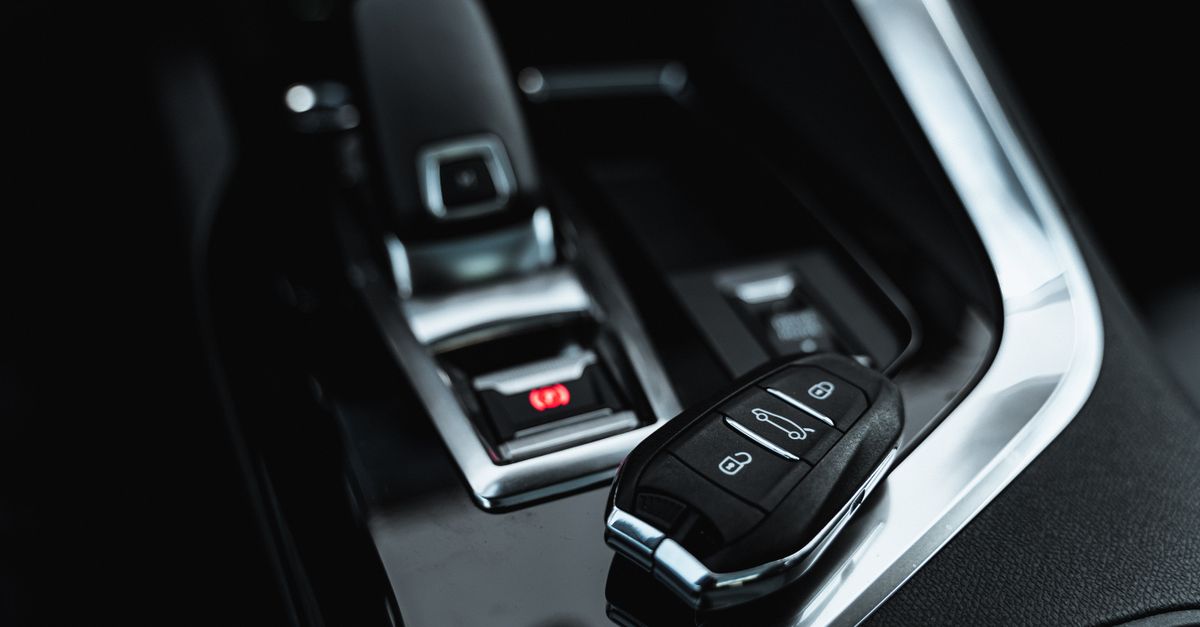
How Car Key Replacement Differs by Make and Model
Not every vehicle key is created equal, and the replacement process varies considerably depending on the brand you drive. A Honda Civic from the early 2010s uses a basic transponder chip that can typically be cut and cloned on-site in under an hour. A Ford F-150 with a proximity smart key requires a two-way communication handshake between the fob and the vehicle's Body Control Module. A Chevrolet or GMC with an RPO B6P security package needs dealer-level programming tools to write a new key to the vehicle's VIN. European brands add another layer: BMW and Mercedes-Benz use rolling security codes and encrypted key memory that demand manufacturer-specific software. Skyline Secure carries toolsets covering a wide range of North American, Asian, and European makes — including GM, Ford, Chrysler, Toyota, Honda, Hyundai, Kia, Volkswagen, BMW, Mercedes-Benz, Nissan, and more — so you are not left waiting for a specialty part that takes days to arrive.
Laser-cut, or 'sidewinder,' keys found on many Volkswagen, Audi, BMW, and newer domestic vehicles require a different cutting wheel than a standard blade and must be cut to tight tolerances. Proximity keys — the kind that lets you keep the fob in your pocket and press a button to start — involve pairing the key's immobilizer ID with the vehicle ECU. Our technicians handle both the physical cut and the electronic pairing on-site, confirming the key starts the vehicle and operates all functions before we leave. If you need a second or third key cut and programmed at the same appointment, that is almost always the most cost-efficient time to do it.