What Makes Audi Key Replacement More Complex Than a Standard Car Key
Audi has used rolling-code transponder technology since the mid-1990s, and the systems have grown significantly more sophisticated since then. A basic transponder key carries an embedded chip that exchanges a unique encrypted signal with the car's immobiliser ring around the ignition barrel. If the codes don't match, the engine management system simply refuses to allow the engine to start — the car will crank but never fire. Replacing this type of key requires both physically cutting the key blade to the correct mechanical profile and then programming the transponder chip to the specific vehicle. Skipping either step produces a key that is useless.
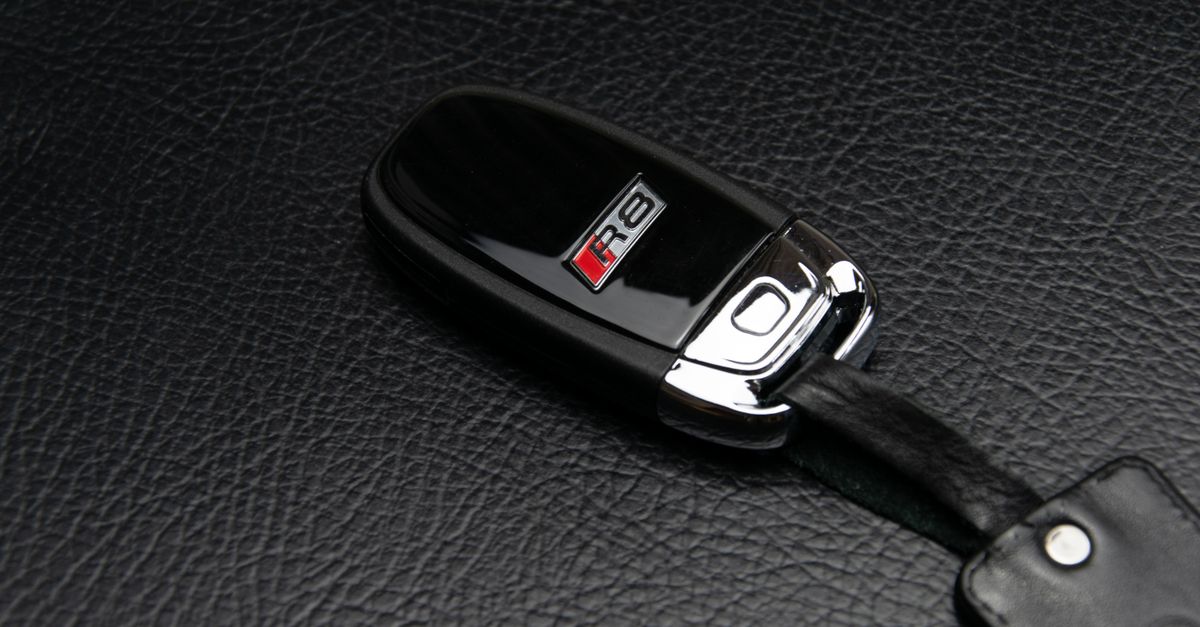
Modern Audi models — including A3, A4, A5, A6, A7, A8, Q3, Q5, Q7, Q8, TT, and the e-tron lineup — use remote key fobs and, in many trim levels, the Audi Advanced Key (proximity or smart key) system. These keys handle locking, unlocking, push-button ignition, and in some cases boot-opening gestures, all through encrypted radio-frequency communication. Programming these keys requires specialist diagnostic software that speaks directly to the vehicle's CAN bus network. Our technicians are experienced with this process across a wide range of Audi model years and arrive at your location with the tools required to complete the job without needing to tow your vehicle anywhere.