Signs Your Door Knob Lock Replacement Cannot Wait
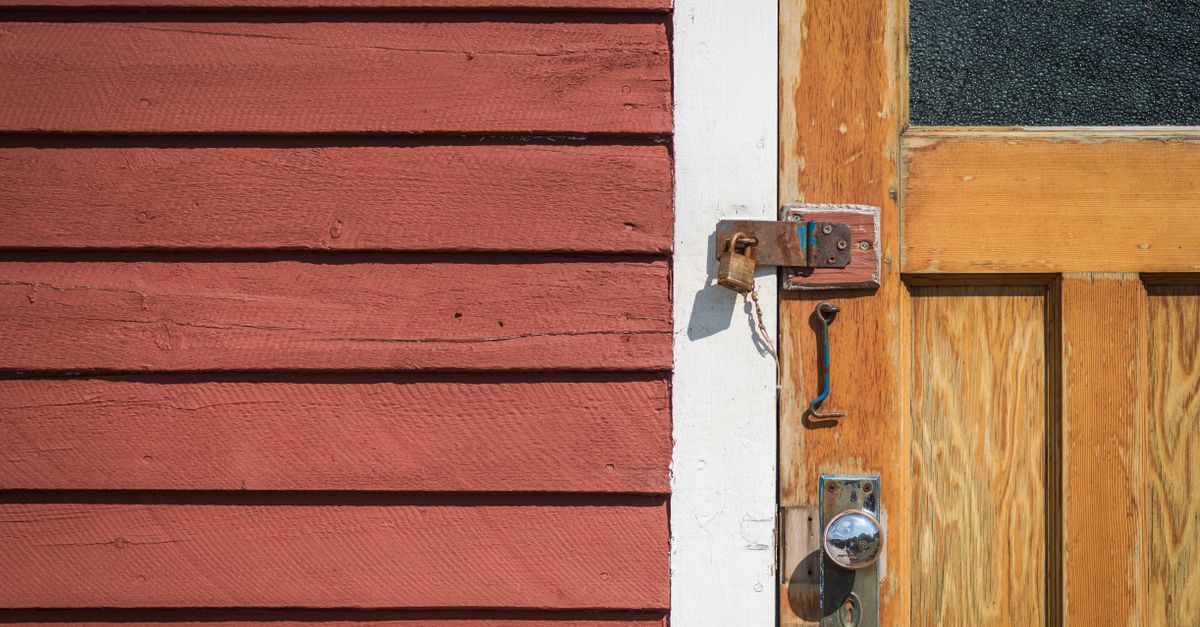
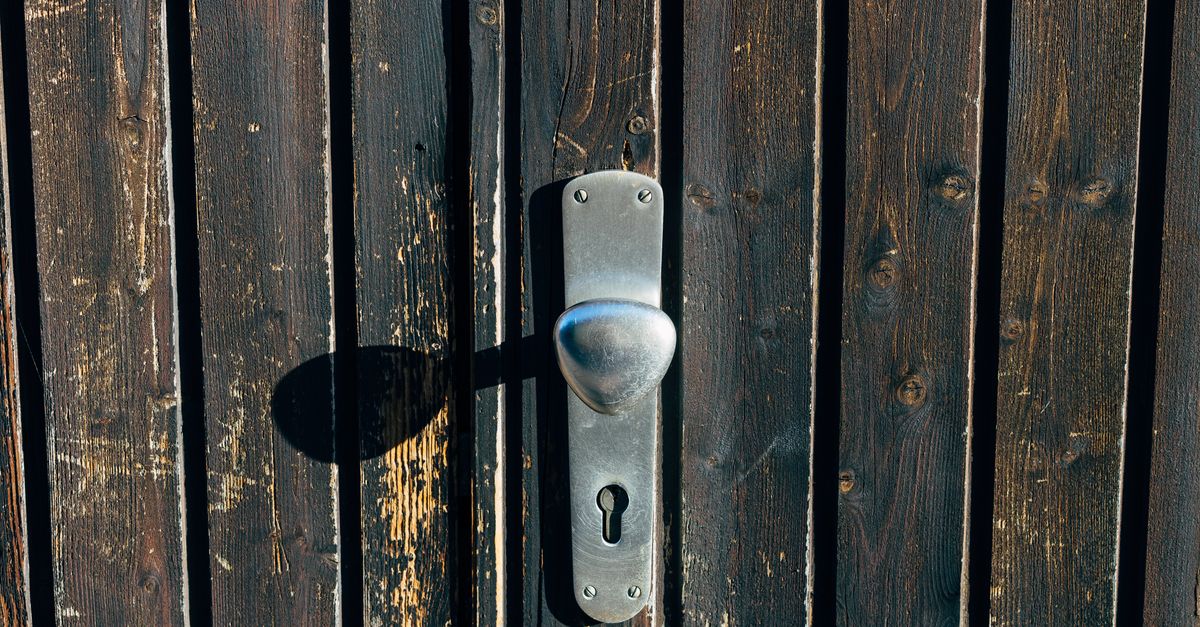
A knob lock that wobbles in its rose plate, a latch that no longer springs back fully, or a keyway clogged with metal filings from a worn key are all signs that the cylinder is near the end of its service life. Exterior knob locks exposed to Toronto's road salt air — especially on ground-floor units along major corridors like Yonge Street or Lakeshore Boulevard — corrode internally long before they show visible rust. A lock that still turns most of the time is not a lock you can rely on. When the mechanism finally seizes during a cold snap at 2 a.m., you are facing an emergency locksmith call rather than a planned replacement, which changes the factors that go into your final quote.
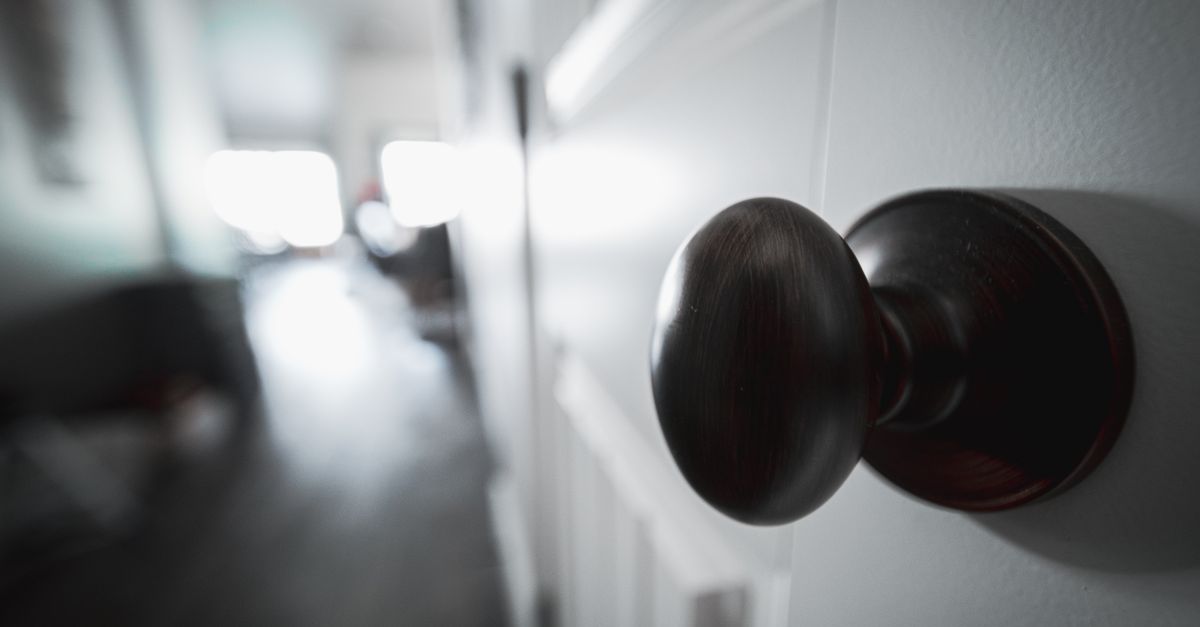
Interior locks carry their own warning signs. A door knob with lock for bedroom use that spins freely without engaging the privacy pin, or a double lock door knob on a home office that the key no longer retracts reliably, creates both a safety gap and a daily frustration. Our technicians assess both the latch mechanism and the cylinder during every visit, so you get an honest picture of what needs replacing now versus what can wait — no upselling, just a clear explanation of what we find.